Iceland
Iceland: Land Of Fire And Ice
Important Facts About Iceland for Travelers
Food and Culture
Food and Culture – Iceland is famous for fresh seafood, lamb dishes, geothermal pools, unique landscapes, and strong literary traditions.
Tipping is not expected in Iceland, as service charges are generally included in prices.
Tap Water
Icelandic tap water is exceptionally clean and safe to drink.
Electricity
Iceland uses Type C and F plugs and 230V electricity, the same as most European countries.
Public Etiquette
Icelanders value respect for nature, cleanliness, and consideration for others. Visitors should stay on marked paths and follow local regulations when exploring natural areas.
City & Location
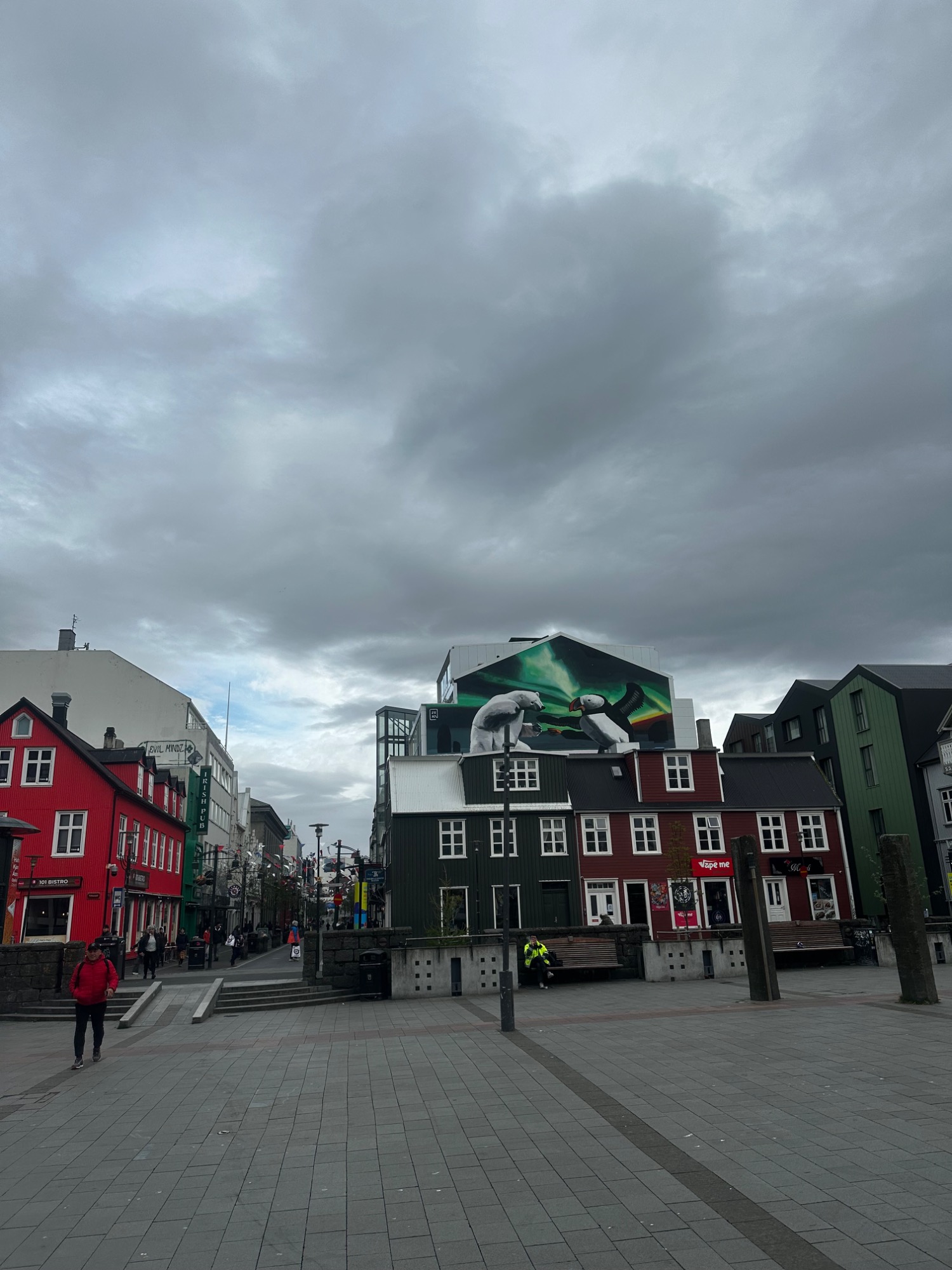
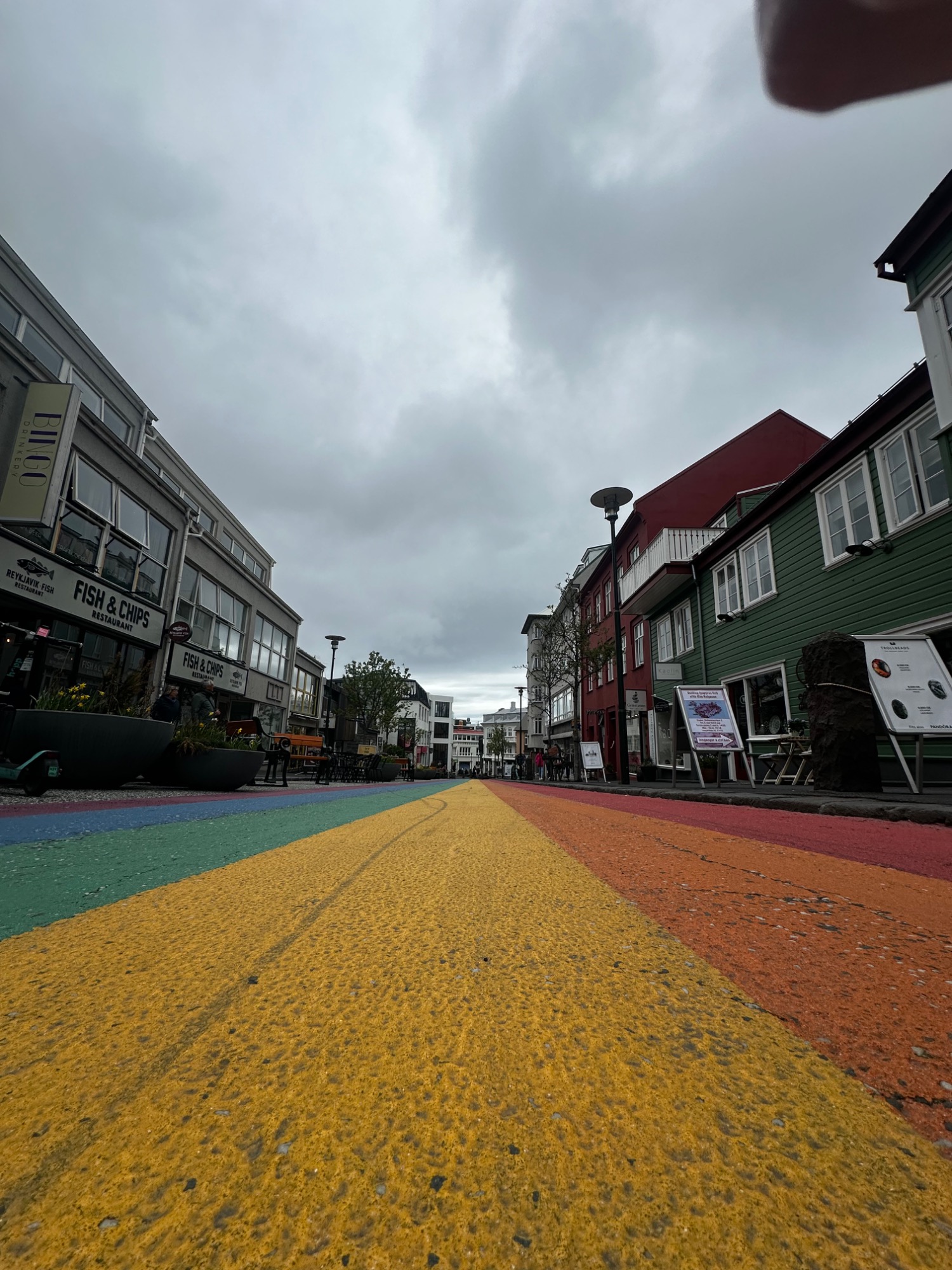
Reykjavík is Iceland’s capital and the country’s largest city. It is known for its vibrant culture, colorful buildings, and unique Nordic atmosphere.
Weather
Iceland’s weather can change quickly. Visitors should pack waterproof and windproof clothing regardless of the season.
Language
Icelandic is the official language, but English is widely spoken, especially in tourist areas.
Currency
The local currency is the Icelandic Króna (ISK). Credit and debit cards are accepted almost everywhere, even for small purchases.
Safety
Iceland is considered one of the safest countries in the world. However, travelers should always follow safety guidelines when visiting natural sites.
Transportation
Public transportation is available in Reykjavík, but many visitors rent a car to explore Iceland’s natural attractions and remote areas.
Sólheimajökull Glacier
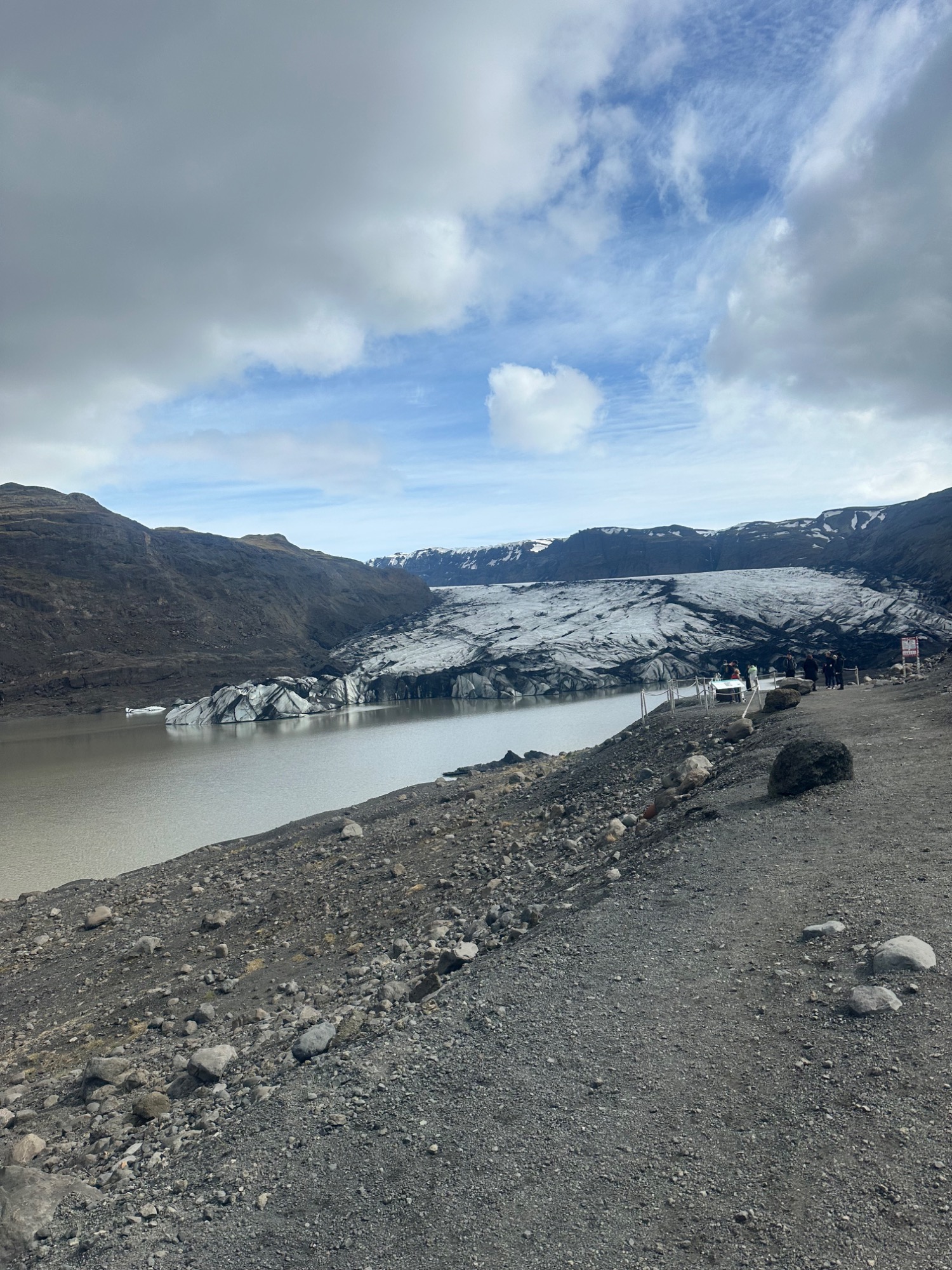
Sólheimajökull Glacier is one of Iceland’s most accessible and impressive glacier tongues
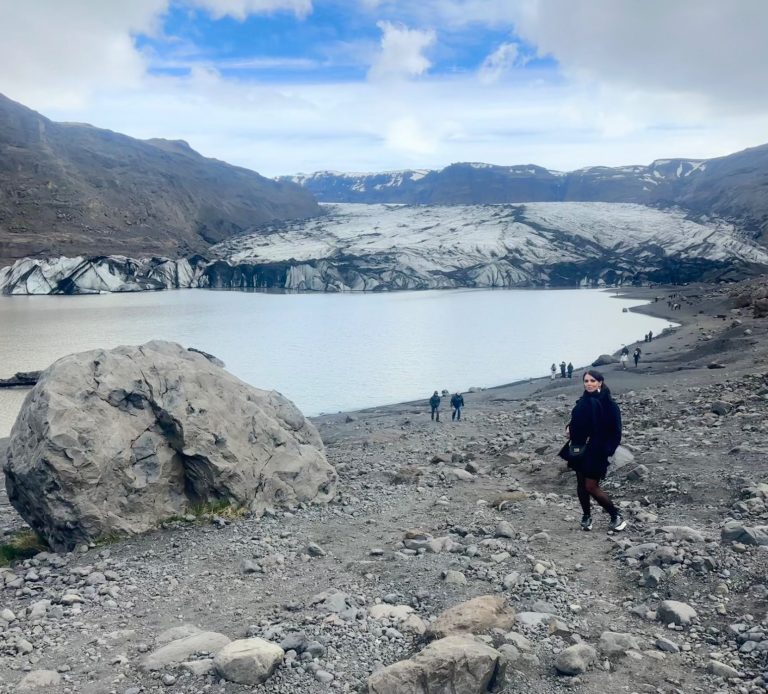
Sólheimajökull Glacier is one of Iceland’s most accessible and impressive glacier tongues, located between the volcanoes Katla and Eyjafjallajökull on the South Coast. It is part of the larger Mýrdalsjökull ice cap and offers visitors a rare chance to experience Iceland’s icy wilderness up close.
The glacier is known for its dramatic blue ice, deep crevasses, and rugged formations that constantly change due to natural movement and melting. Guided tours allow visitors to safely explore the ice, whether by hiking on the glacier or entering nearby ice caves during winter.
Sólheimajökull is a powerful reminder of Iceland’s ever-changing landscape and is a must-visit for anyone seeking an unforgettable adventure in nature.
Reynisfjara Black Sand Beach
Reynisfjara Black Sand Beach is one of Iceland’s most dramatic and famous coastal destinations
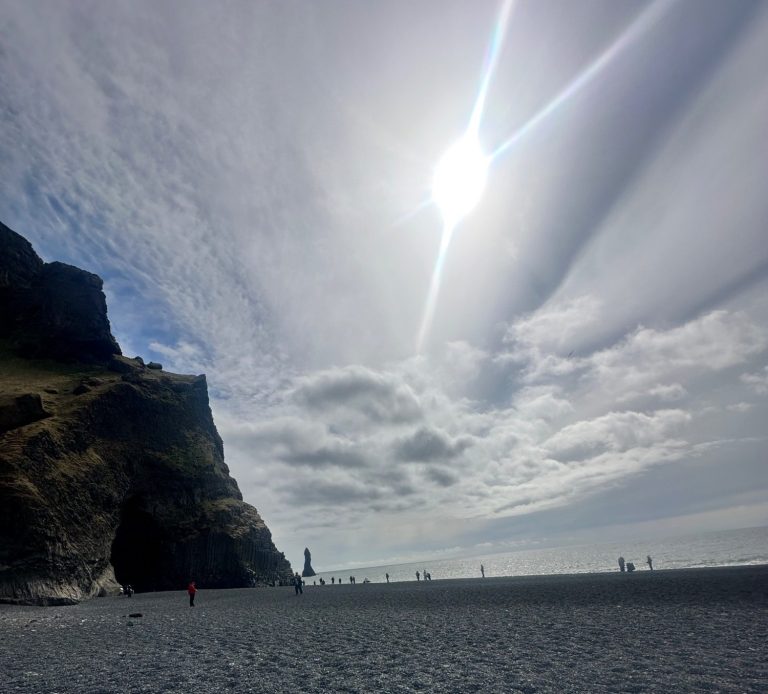
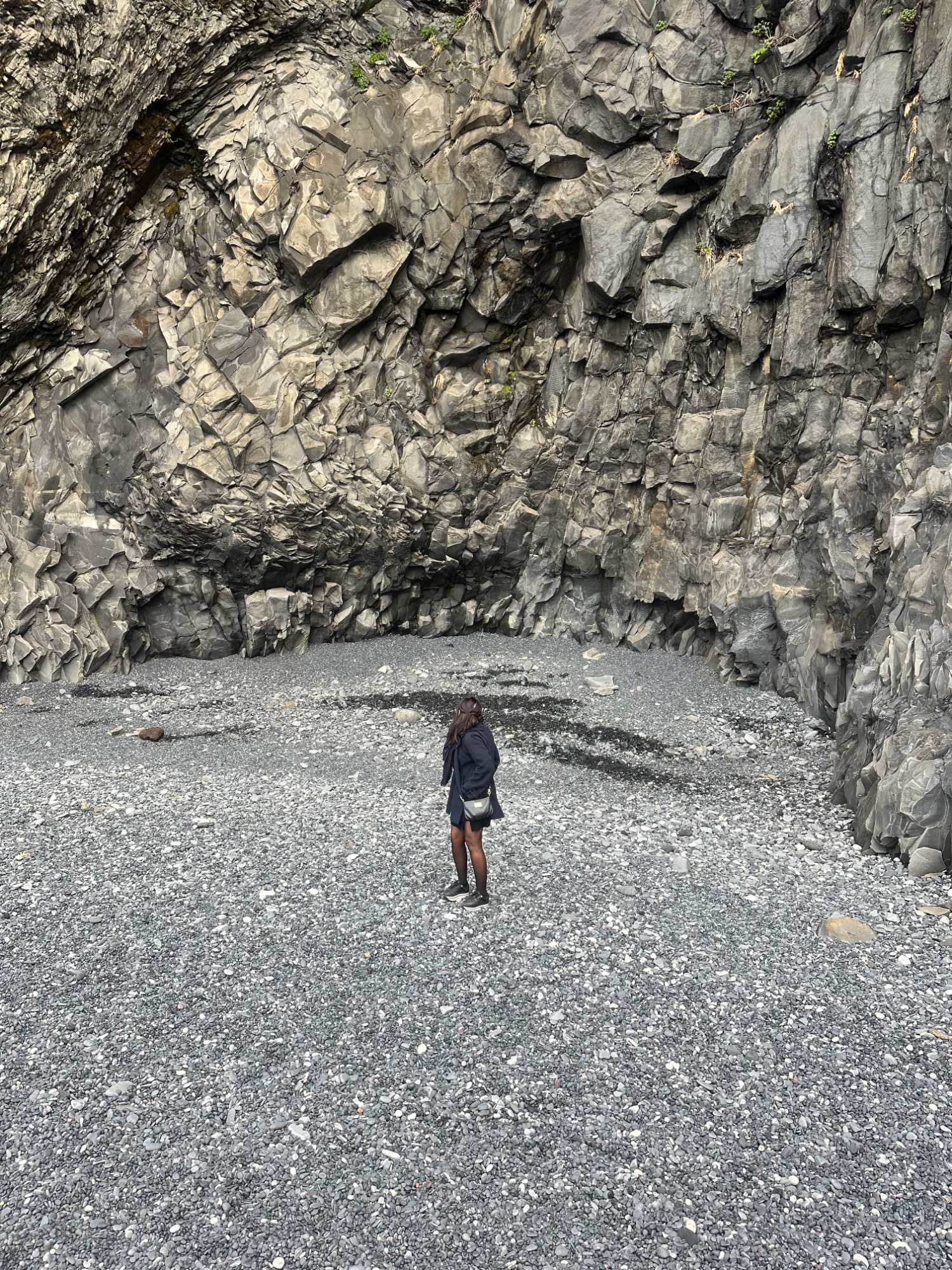
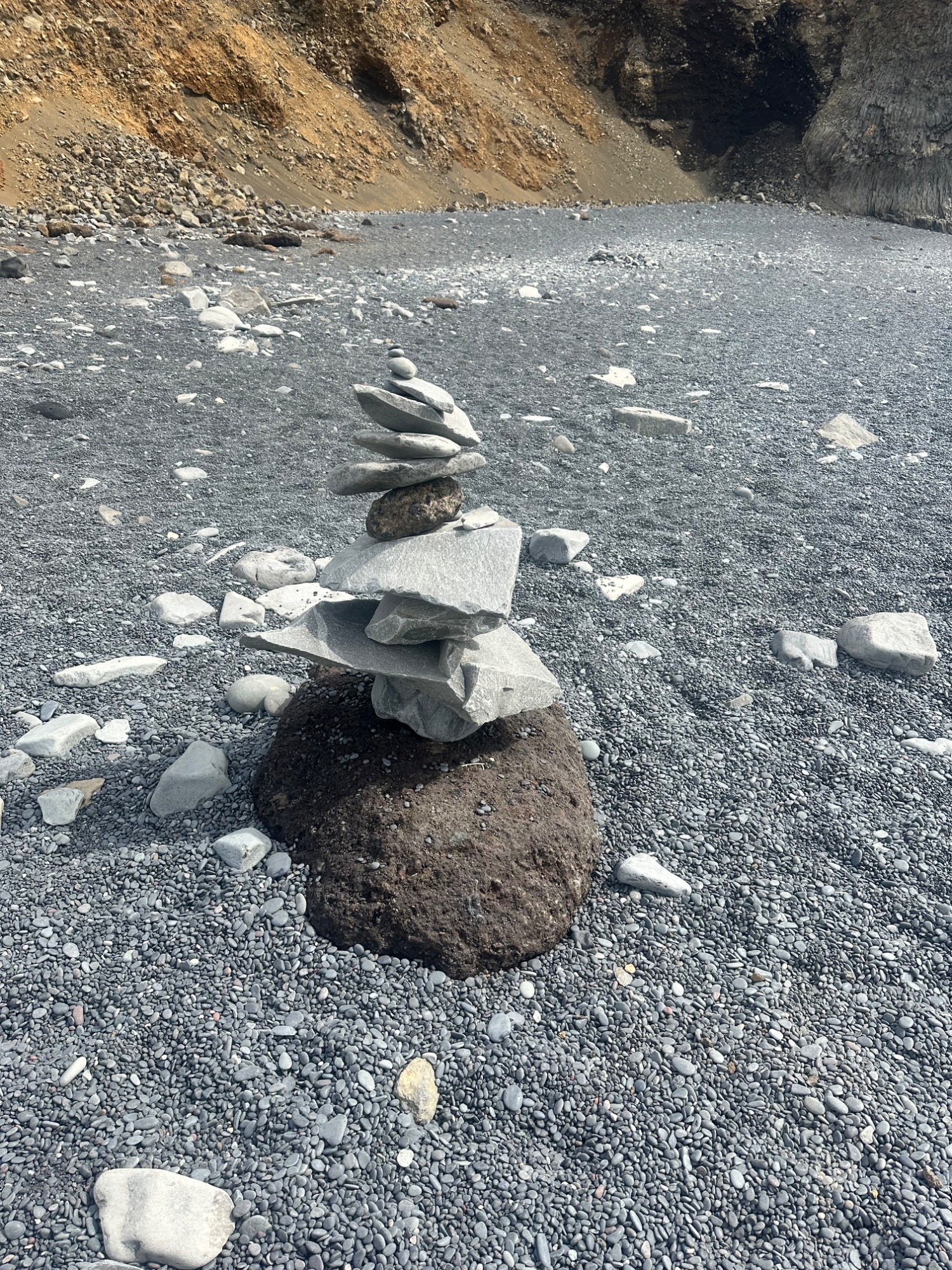
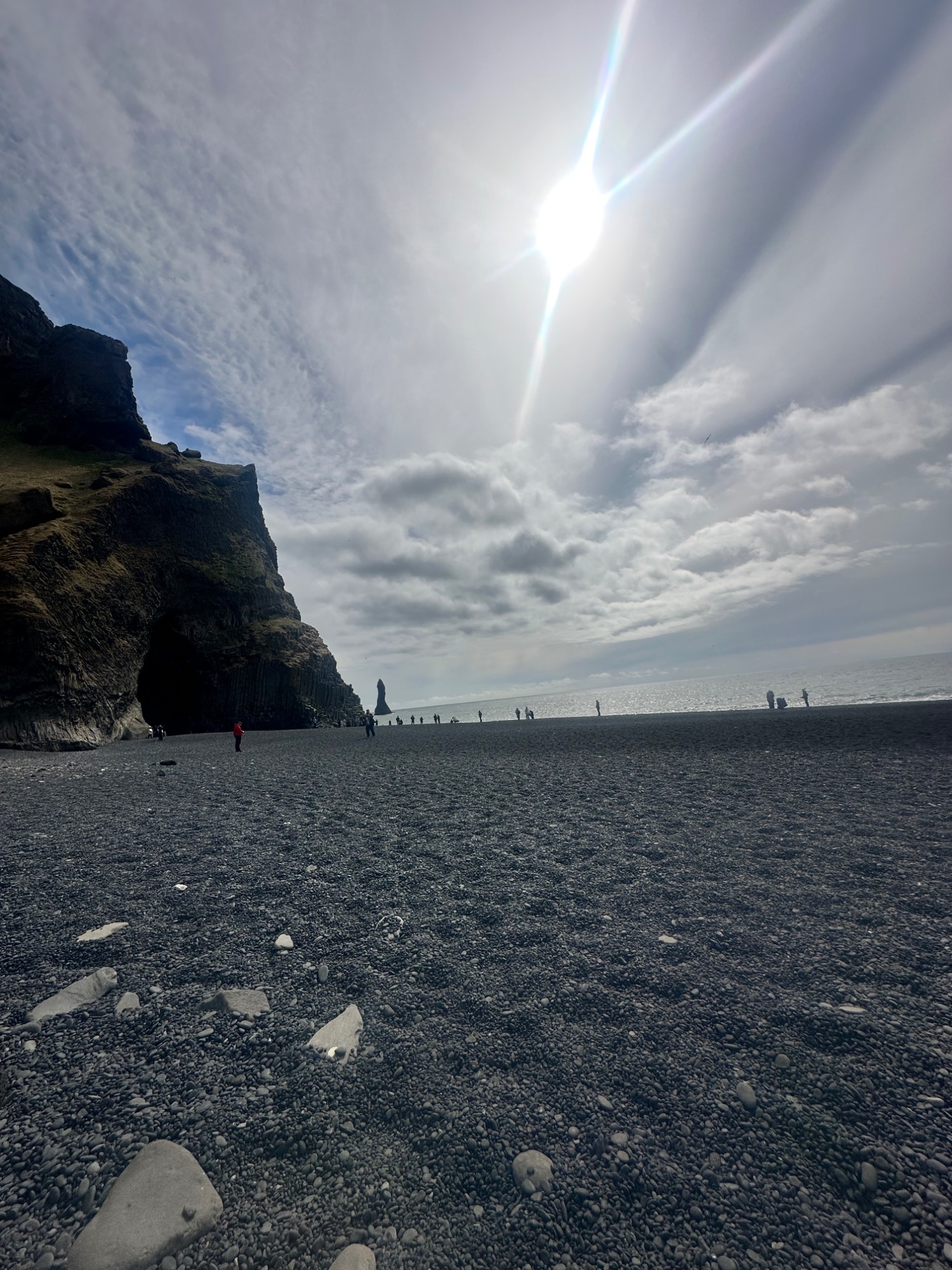
Reynisfjara Black Sand Beach is one of Iceland’s most dramatic and famous coastal destinations. Known for its striking black volcanic sand, powerful Atlantic waves, and unique basalt column formations, it feels almost otherworldly.
Just offshore, the Reynisdrangar sea stacks rise from the ocean, adding to the mystical landscape that Iceland is known for. The beach is incredibly beautiful but also dangerous due to strong sneaker waves, so visitors are advised to keep a safe distance from the water.
Reynisfjara is a must-visit stop on Iceland’s South Coast, offering unforgettable scenery and some of the most iconic photo opportunities in the country.
Gullfoss Waterfall
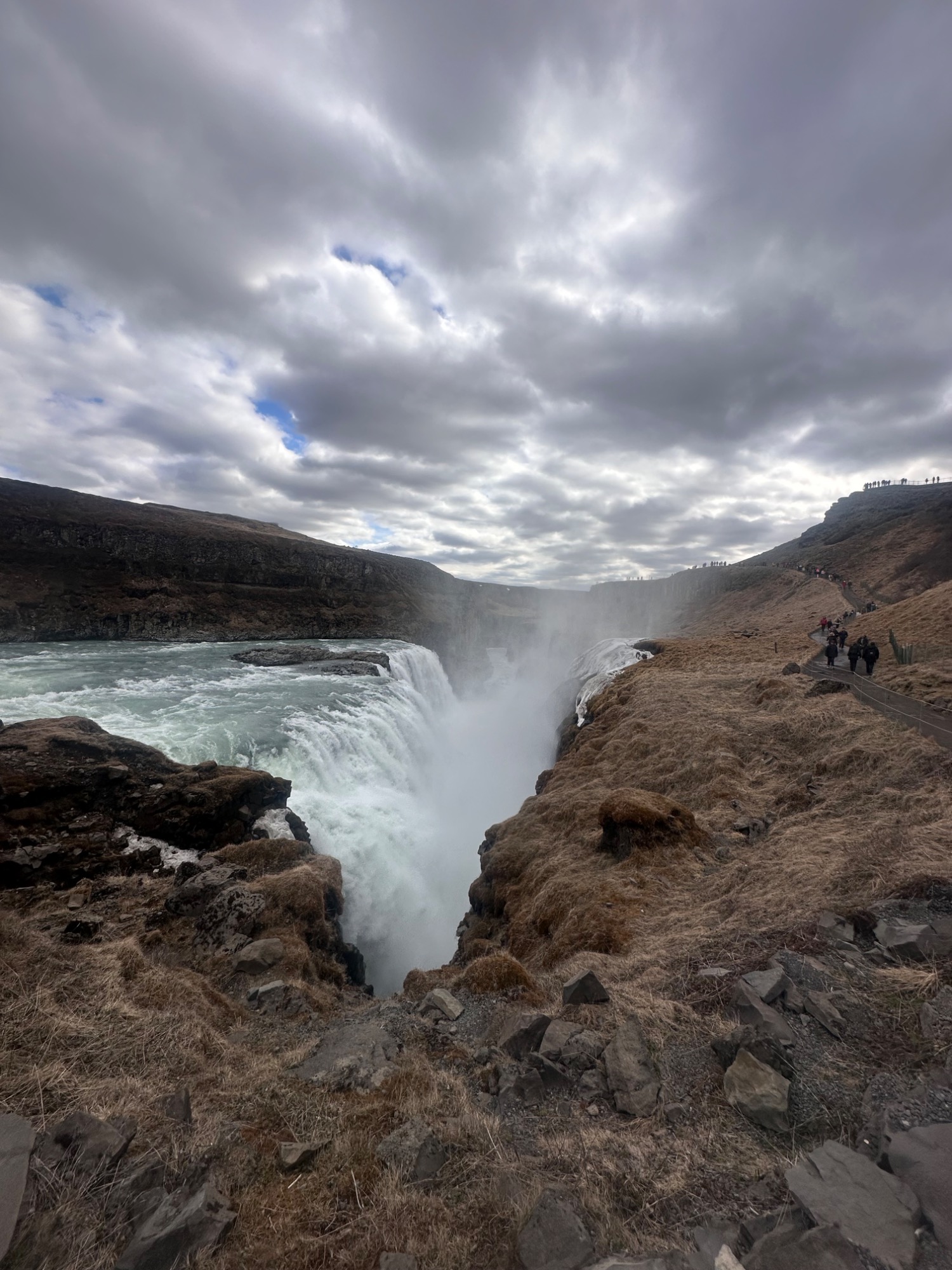
Gullfoss Waterfall is one of Iceland’s most famous and breathtaking natural landmarks
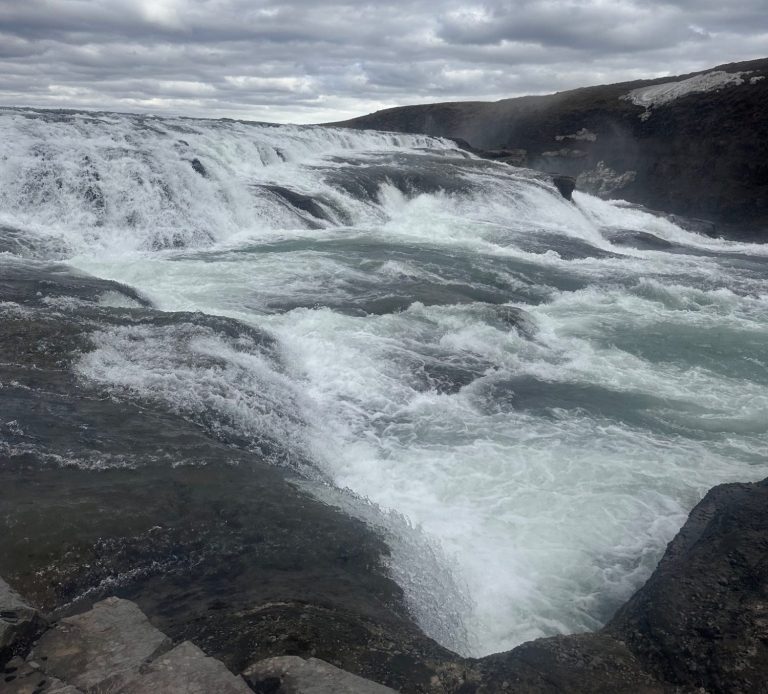
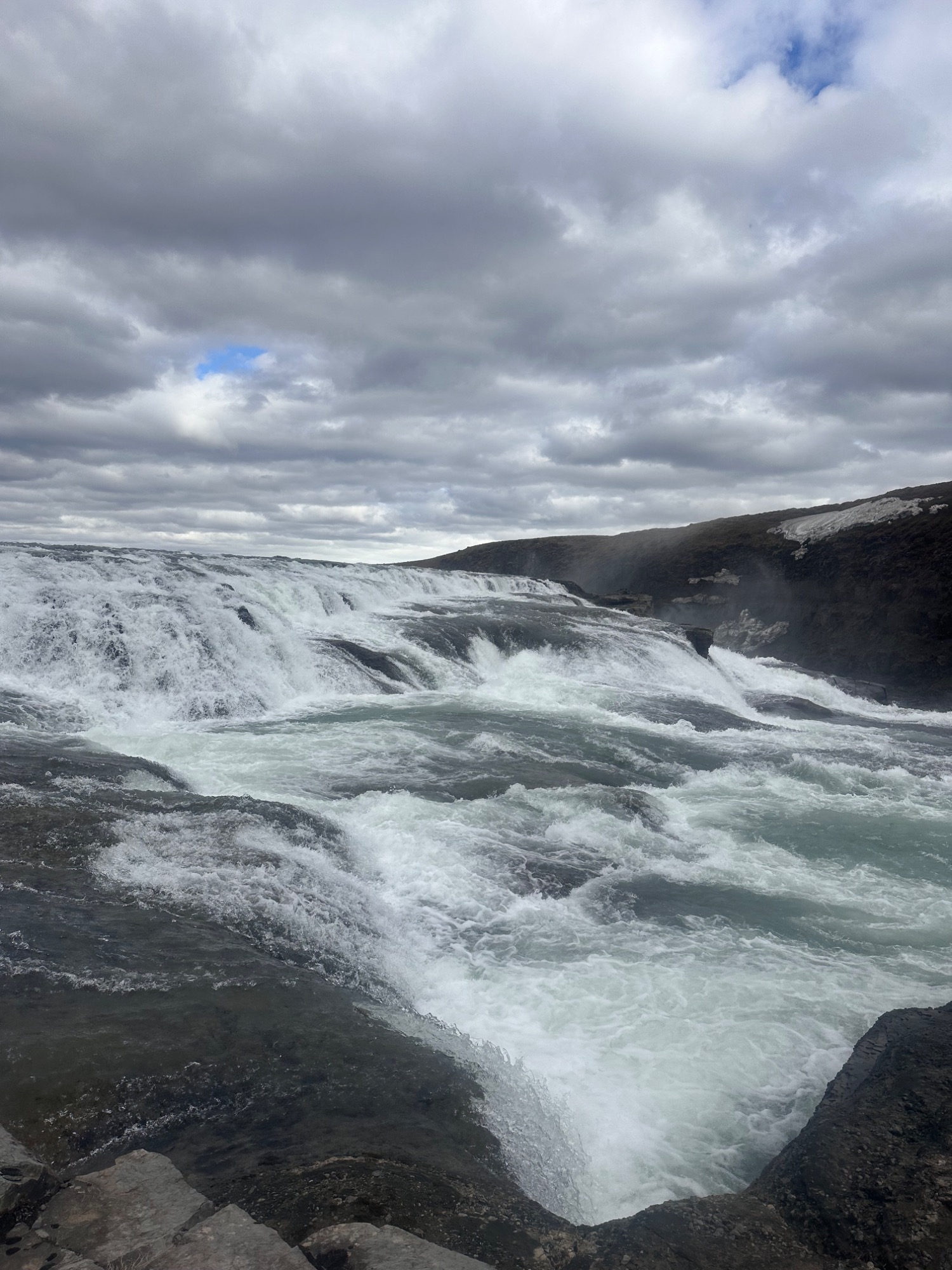
Gullfoss Waterfall is one of Iceland’s most famous and breathtaking natural landmarks. Located in the Golden Circle route, it features a powerful two-tiered cascade that plunges into a rugged canyon, creating a dramatic and unforgettable view. On sunny days, mist from the waterfall often forms beautiful rainbows, adding to its magic.
Visitors can walk along viewing platforms that bring you close to the edge, where you can truly feel the strength and scale of the water. Gullfoss is a perfect example of Iceland’s raw natural beauty and is a must-see stop for anyone traveling through the country.
Hallgrímskirkja Church
One of the most iconic landmarks in Reykjavík
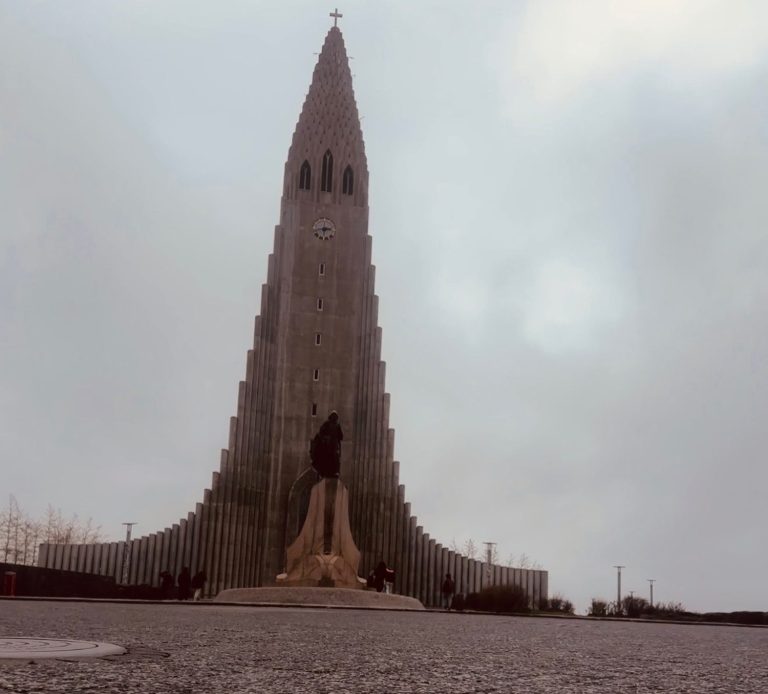
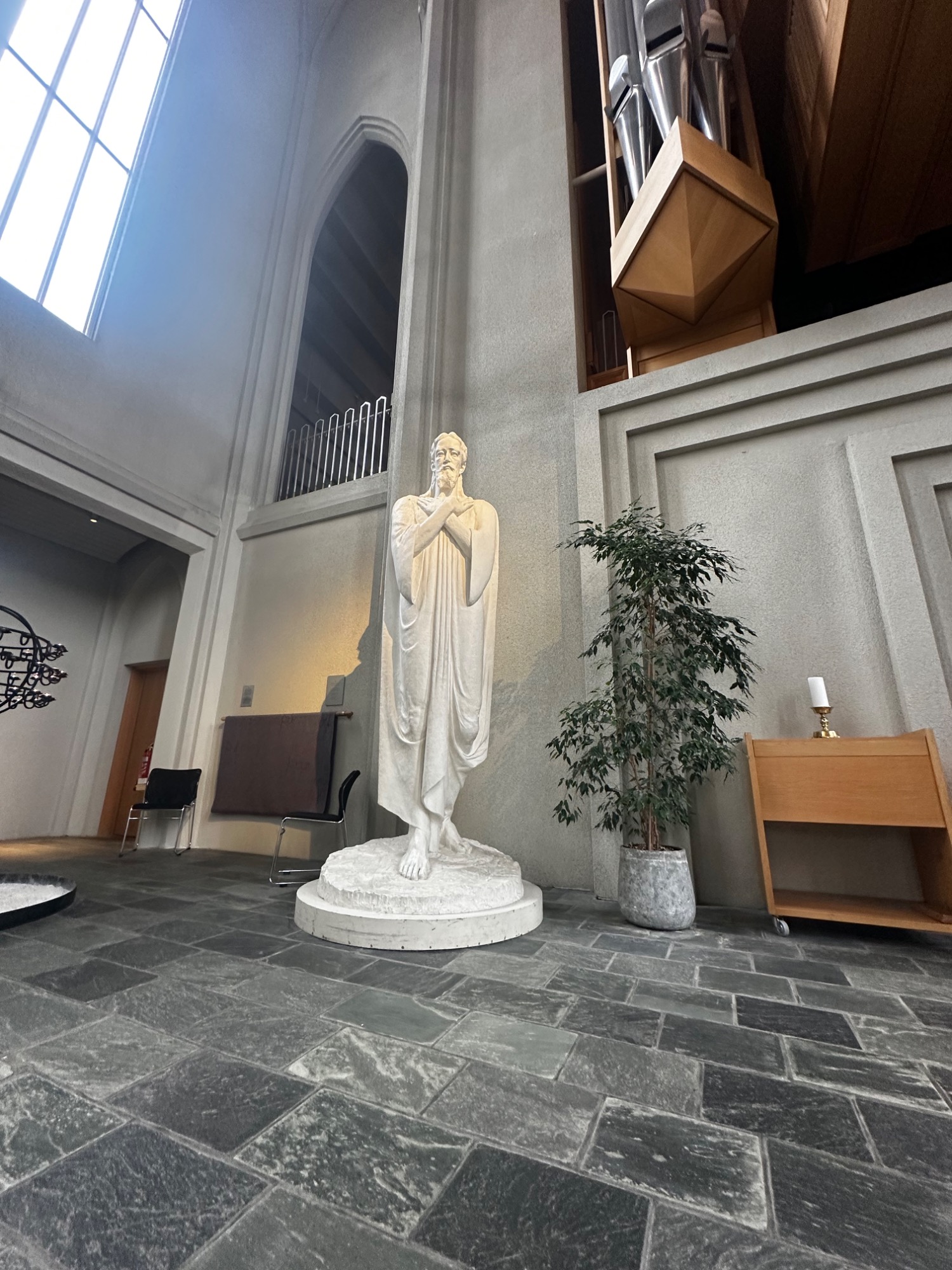
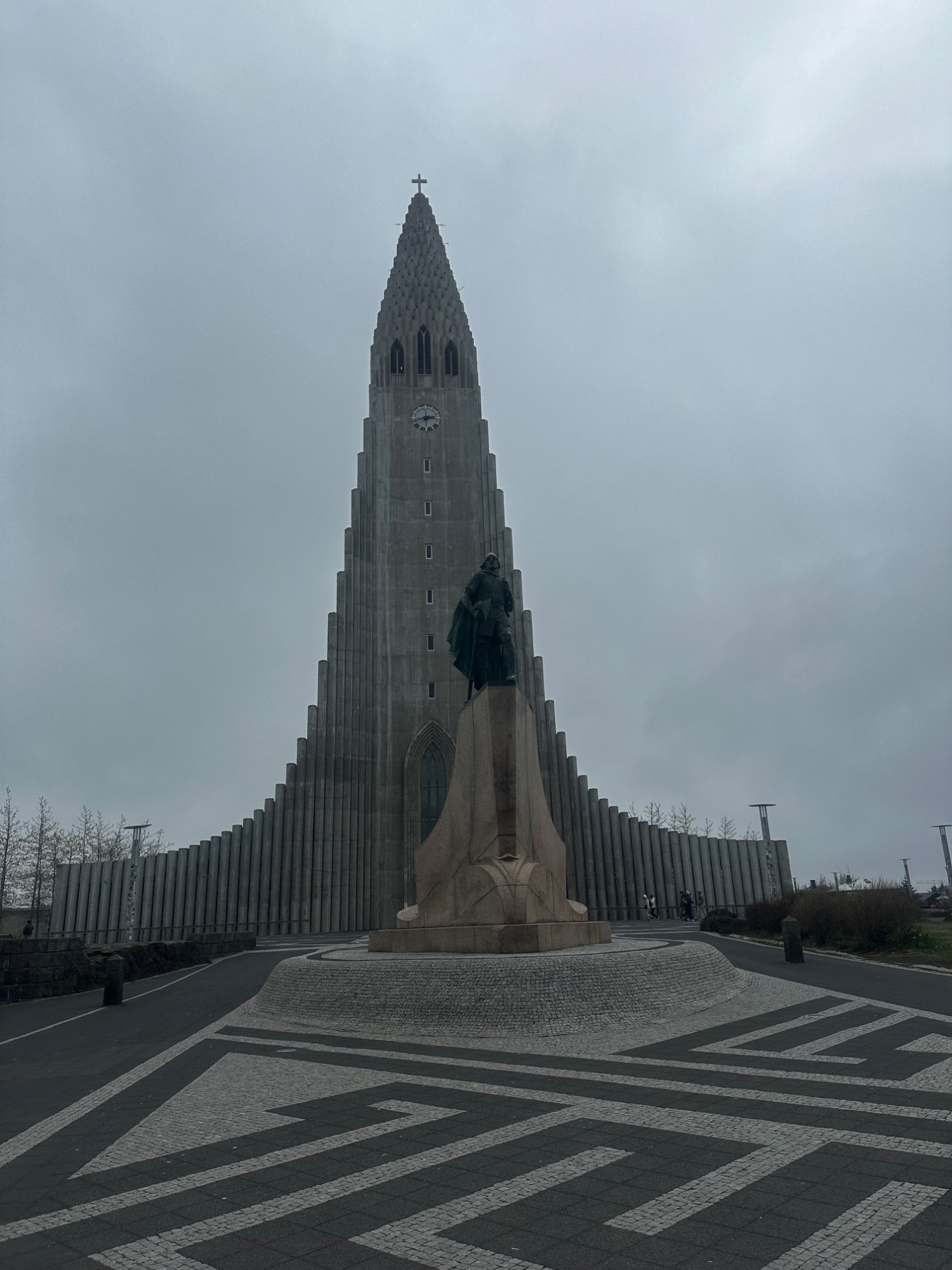
Hallgrímskirkja Church is one of the most iconic landmarks in Reykjavík and all of Iceland. Its striking design was inspired by Iceland’s basalt lava flows, giving it a unique and dramatic appearance that stands out in the city skyline. The church took several decades to complete and is now one of the tallest structures in Iceland.
Inside, the interior is simple and peaceful, reflecting the Lutheran tradition, but the real highlight for many visitors is the tower. From the top, you get a panoramic view over Reykjavík. In front of the church stands the statue of Leif Erikson, the Norse explorer believed to have reached North America long before Columbus.
Hallgrímskirkja is a must-see attraction for anyone visiting Reykjavík.
Joining a Golden Circle Tour as a Solo Traveler
Day 1 in Iceland
My first day in Iceland started with a mix of excitement and nervousness. Since I was traveling alone, I wanted to find a way to explore the country while also meeting other travelers. Joining a Golden Circle tour turned out to be the perfect choice.
Iceland Golden Circle Tour
If you are visiting Iceland for the first time, the Golden Circle is one of the most popular day trips from Reykjavík. This scenic route takes travelers to some of the country's most famous natural attractions.
Þingvellir National Park
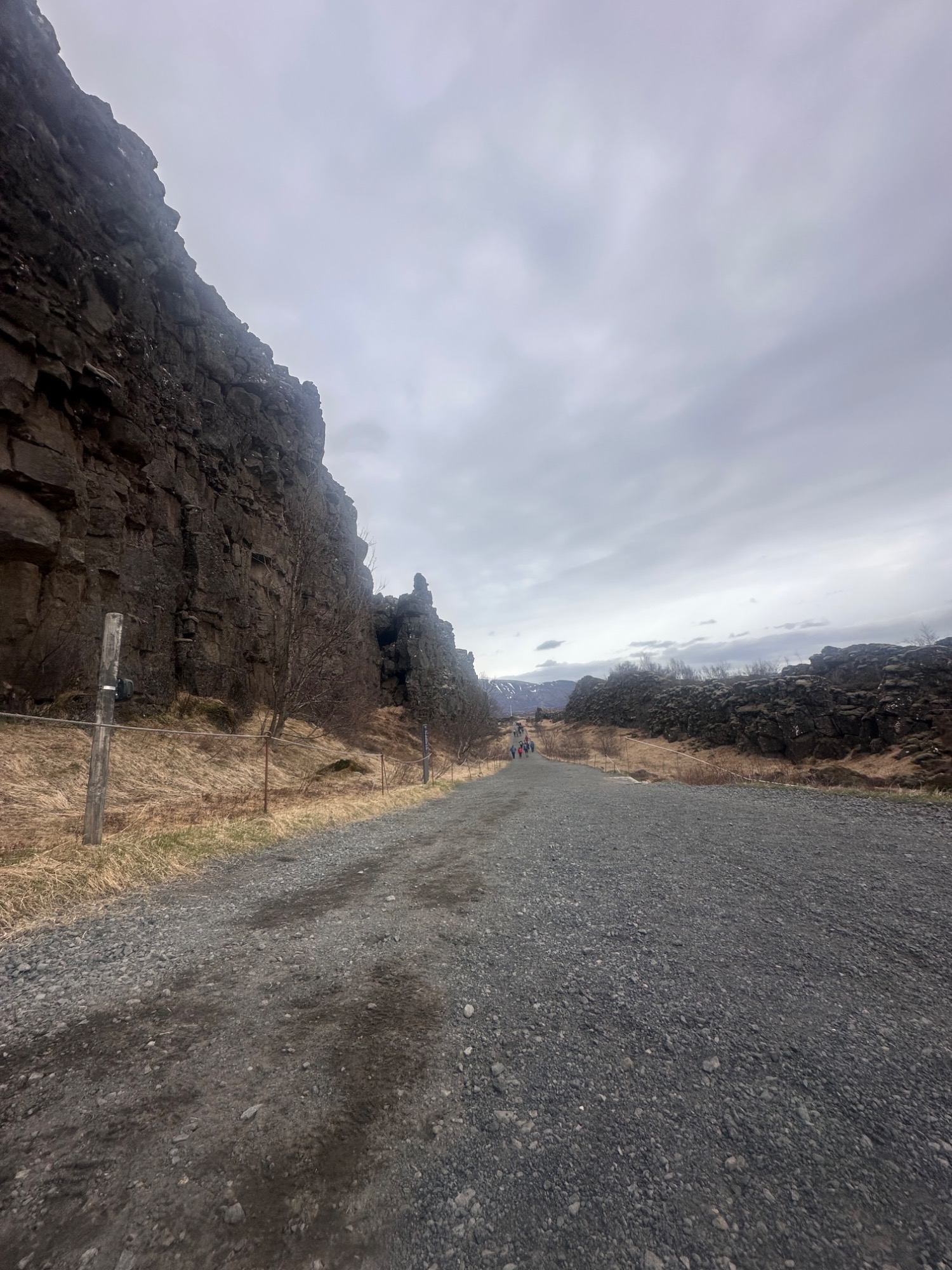
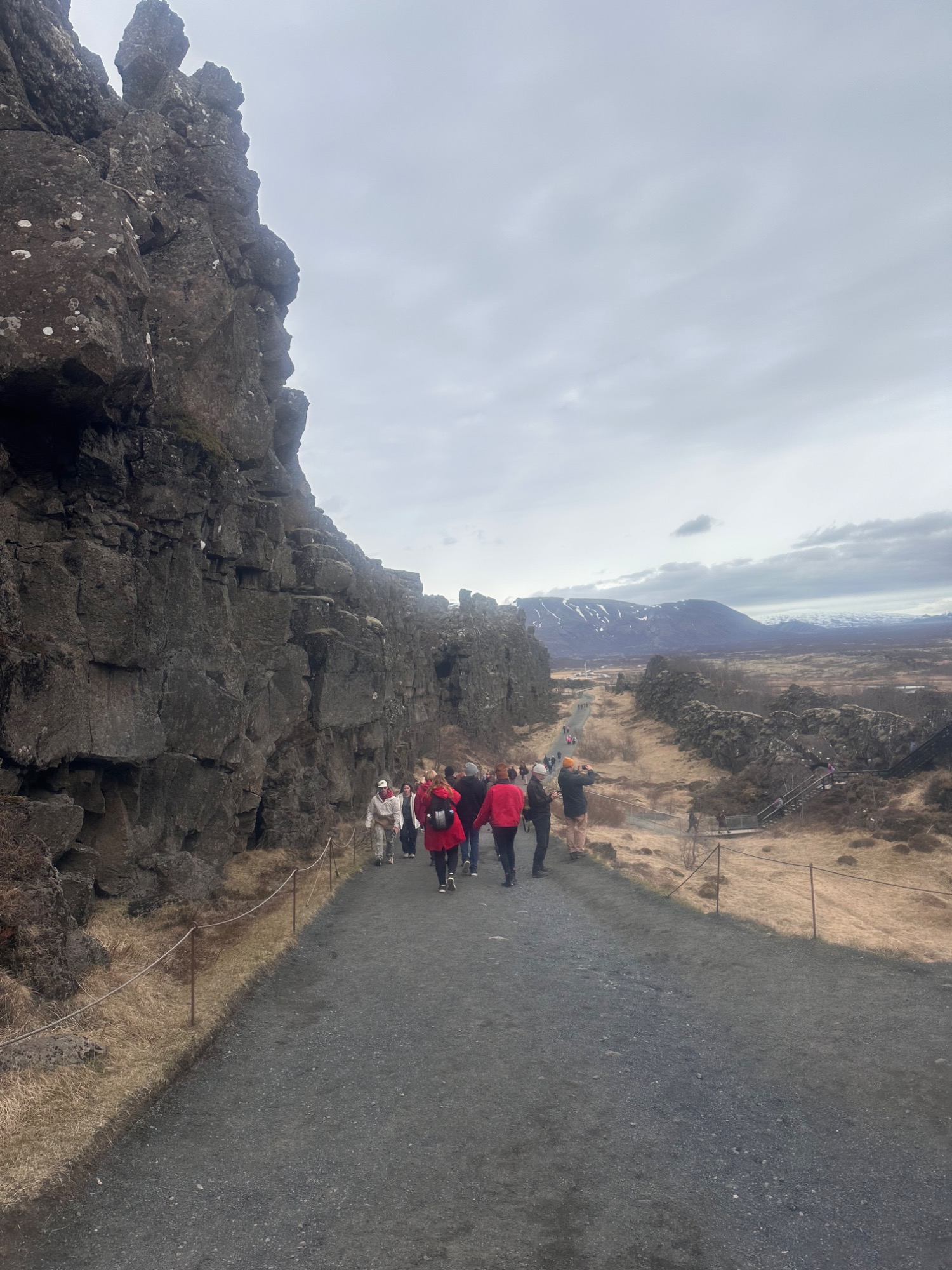
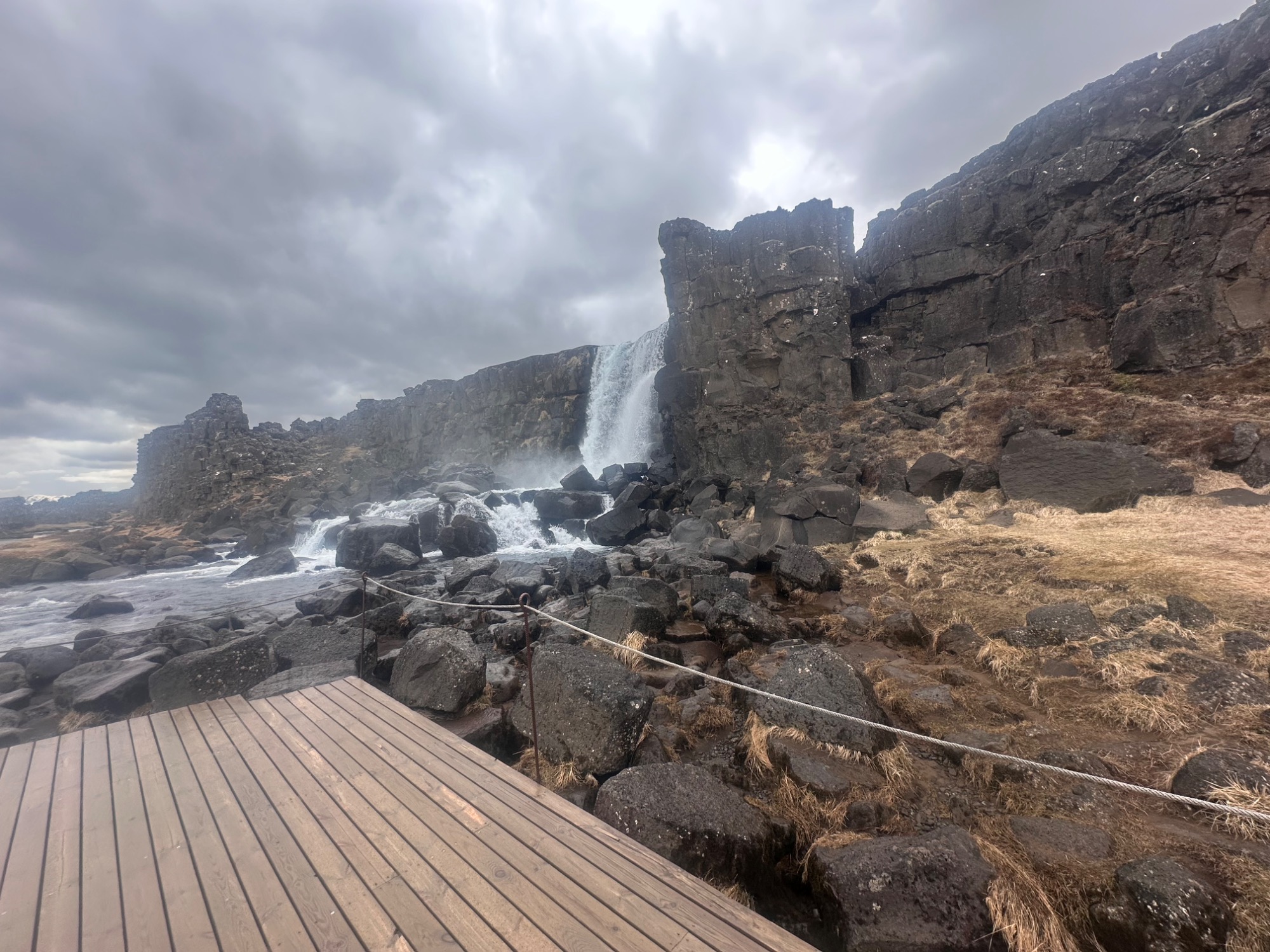
The adventure begins at Þingvellir National Park, a UNESCO World Heritage Site known for its historical and geological significance. Here, visitors can walk between the North American and Eurasian tectonic plates, making it one of the few places on Earth where two continents are visibly separating. T
he park is also home to Iceland's first parliament, established more than a thousand years ago.
Gullfoss Waterfall
One of Iceland’s most breathtaking attractions is Gullfoss, often called the "Golden Waterfall." The powerful waterfall. Visitors can explore several viewpoints and experience the force of Iceland's glacial waters up close.
Travel Tips
- Wear waterproof and windproof clothing.
- Bring comfortable walking shoes.
- Carry a camera for the incredible scenery.
- Check weather conditions before departure.
- Book tours in advance during the high season.
The Golden Circle remains one of Iceland's most memorable experiences and offers an excellent introduction to the country's extraordinary natural beauty.
Exploring the South Coast
Day 2 in Iceland
Driving Through Iceland's Stunning Landscapes
The day started with an early pickup in Reykjavík. As we left the city behind, the scenery quickly changed. Endless lava fields, snow-covered mountains, and green countryside stretched across the horizon. Even the drive itself felt like a sightseeing experience.
Seljalandsfoss Waterfall
Our first major stop was Seljalandsfoss, one of Iceland's most famous waterfalls. What makes this waterfall special is that visitors can walk behind the cascading water.
Skógafoss Waterfall
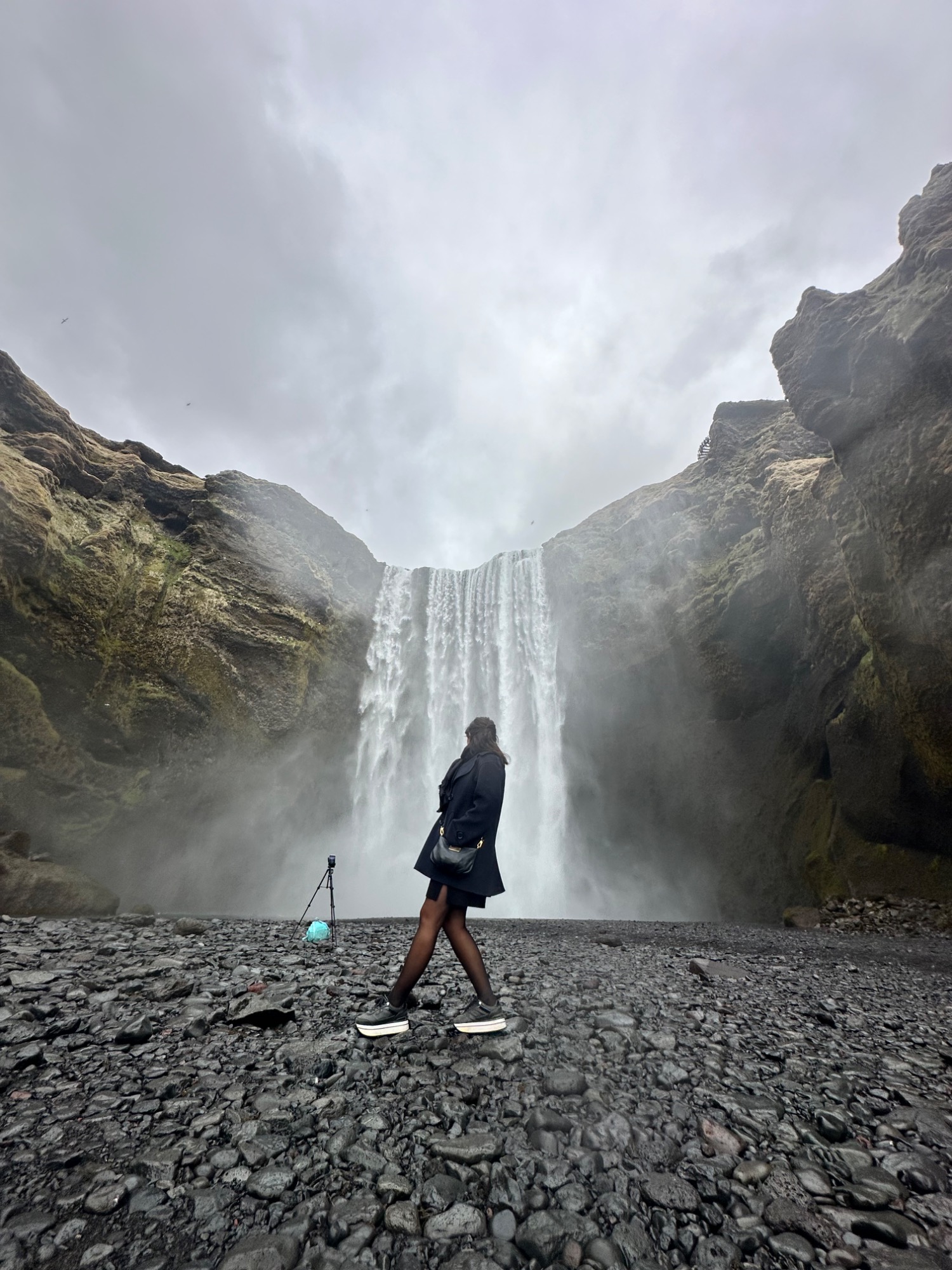
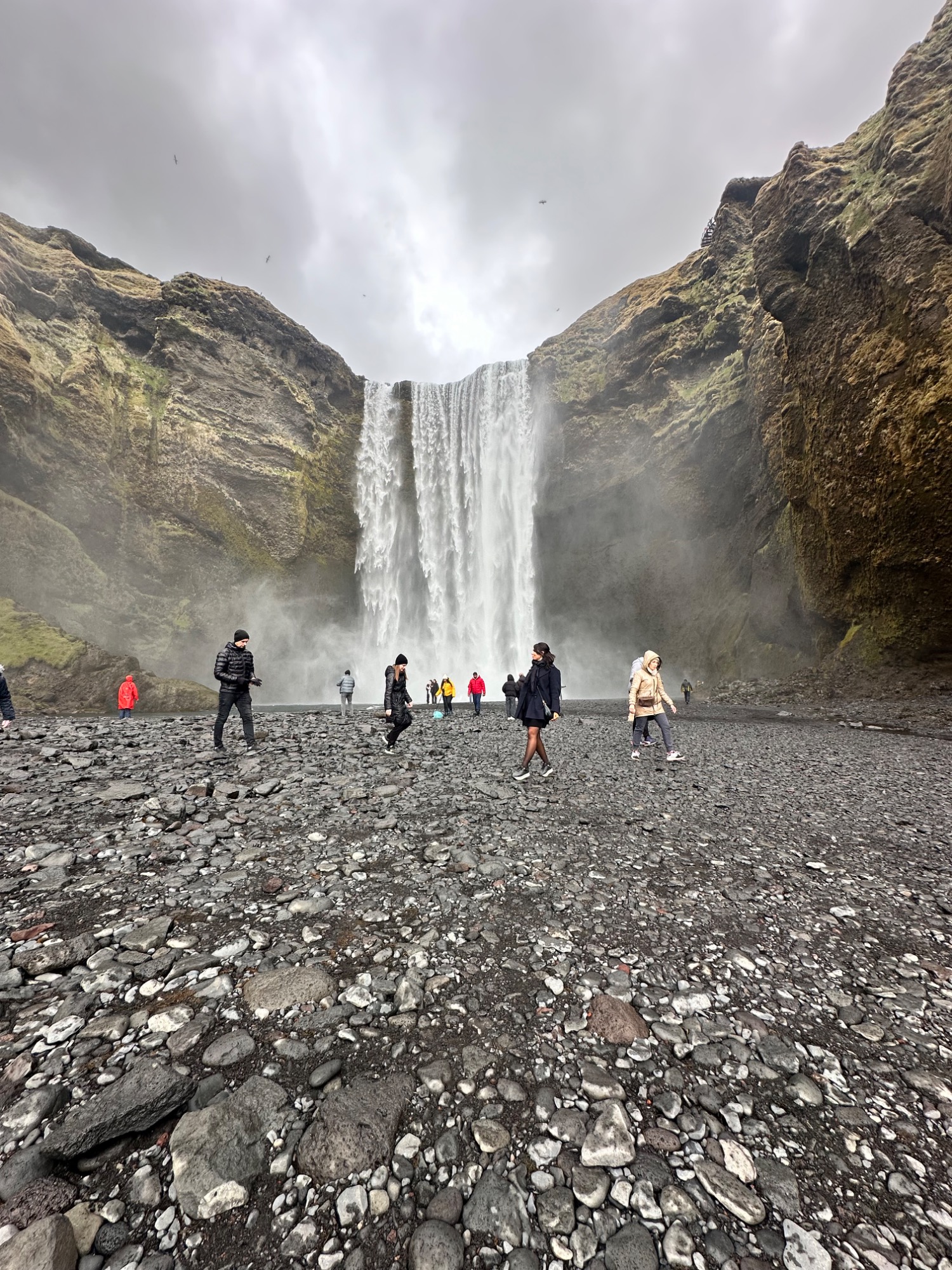
Next, we visited Skógafoss, another spectacular waterfall on Iceland's South Coast.
Sólheimajökull Glacier
One of the highlights of the day was seeing Sólheimajökull Glacier. This massive glacier looked like something from another world. Walking near the ice and learning about Iceland's glaciers made me appreciate the country's unique natural environment even more.
Reynisfjara Black Sand Beach
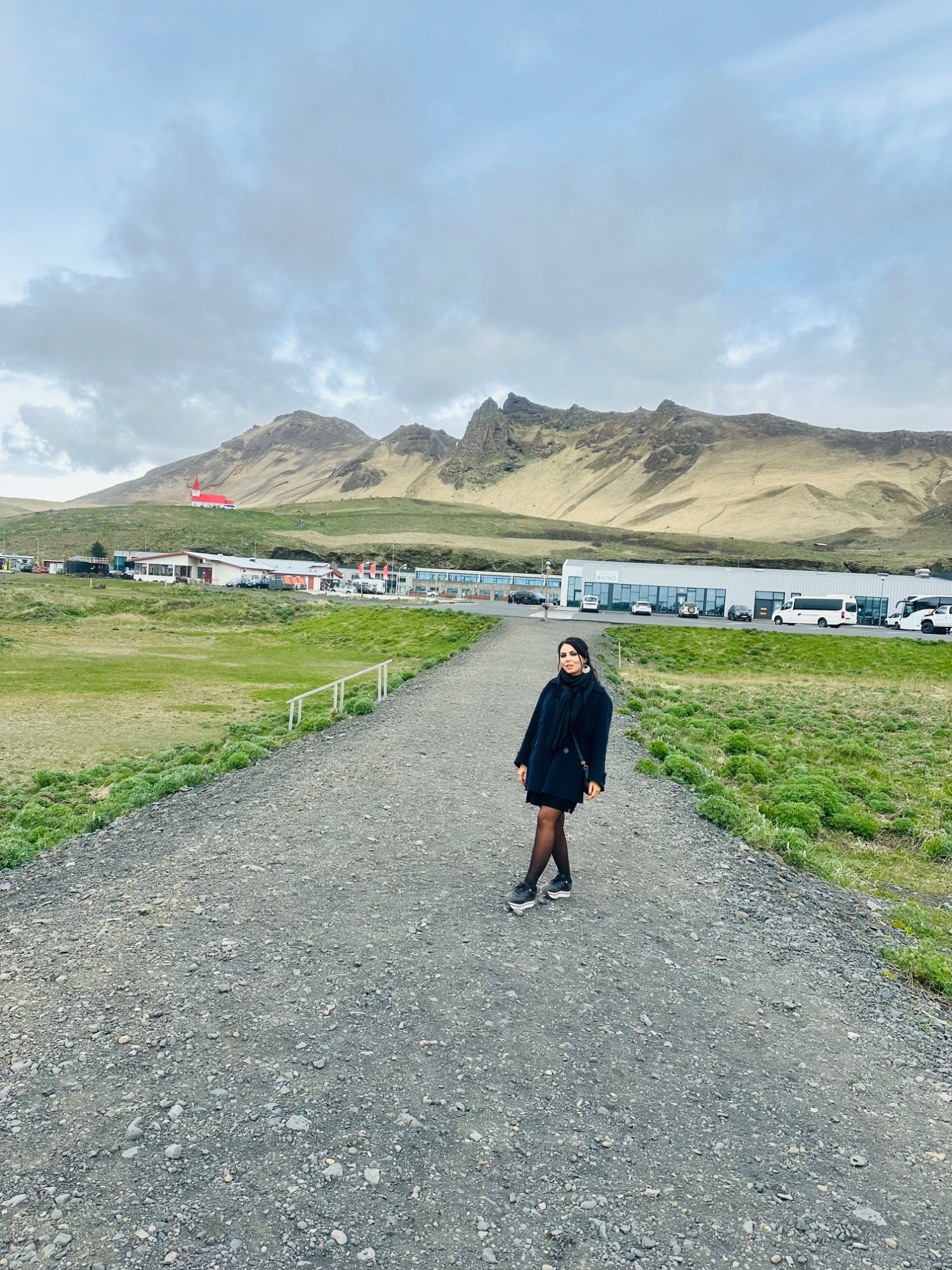
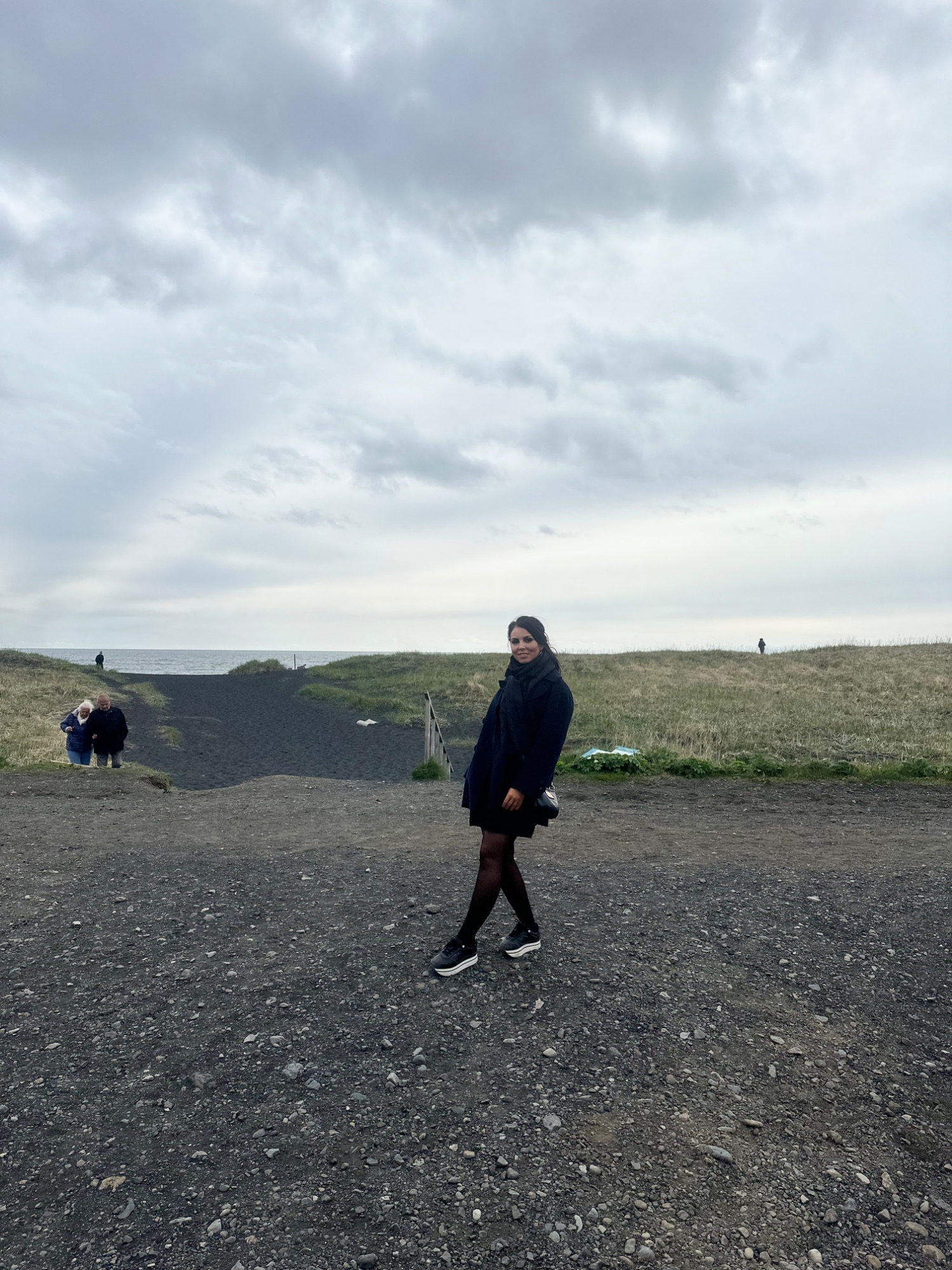
The most unforgettable stop of the day was Reynisfjara Black Sand Beach. The black volcanic sand, powerful Atlantic waves, and dramatic basalt columns created a landscape unlike anywhere I had ever seen.
Meeting Fellow Travelers
Just like on my first day, being part of a tour group made the experience even better. During the bus rides and sightseeing stops, I chatted with travelers from around the world. We shared travel stories, took photos for each other, and laughed about the unpredictable Icelandic weather.
Traveling alone didn't feel lonely at all. Instead, I felt connected to a community of people all experiencing Iceland's beauty together.
Exploring Reykjavík at My Own Pace
Day 3 in Iceland
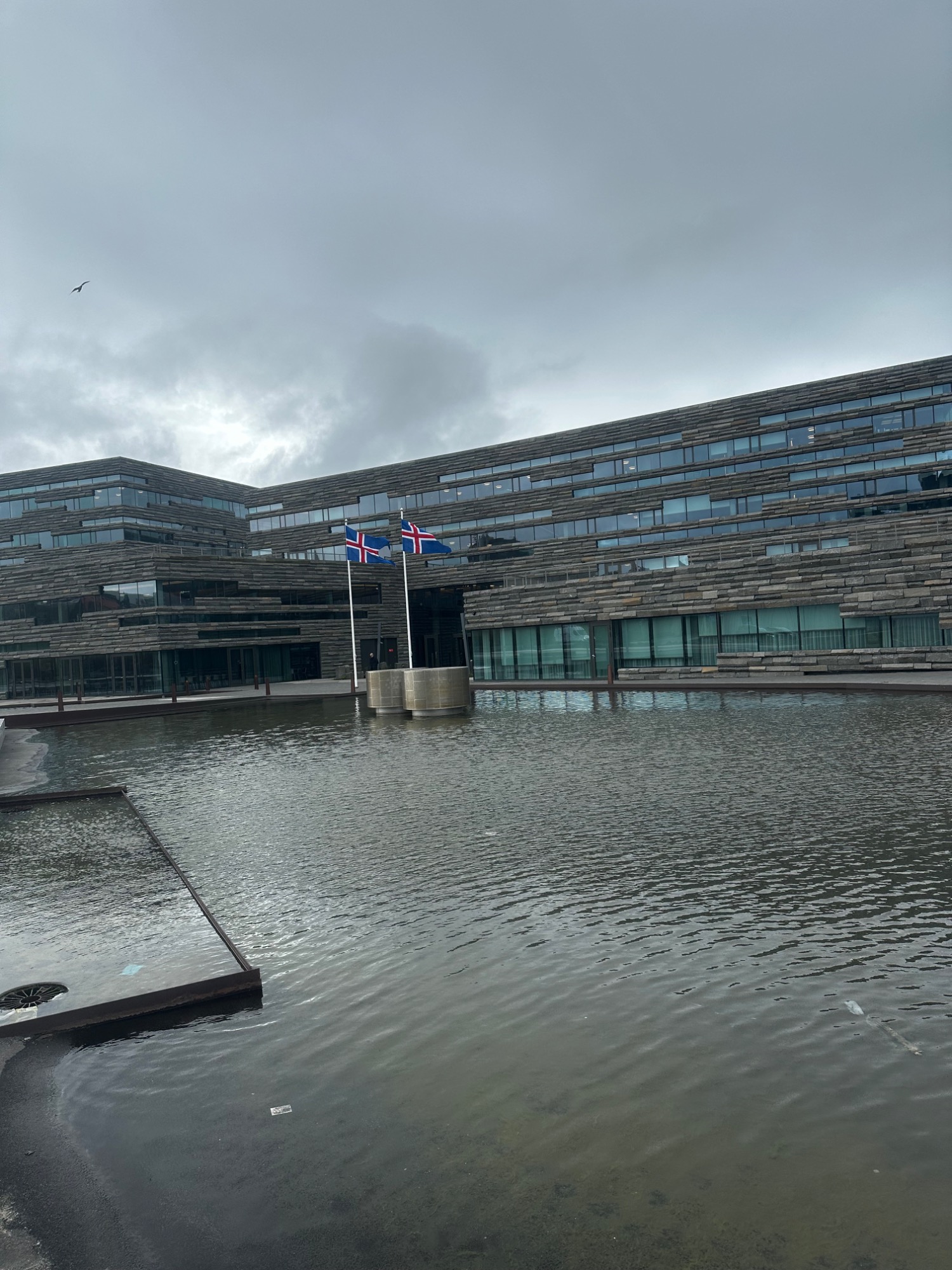
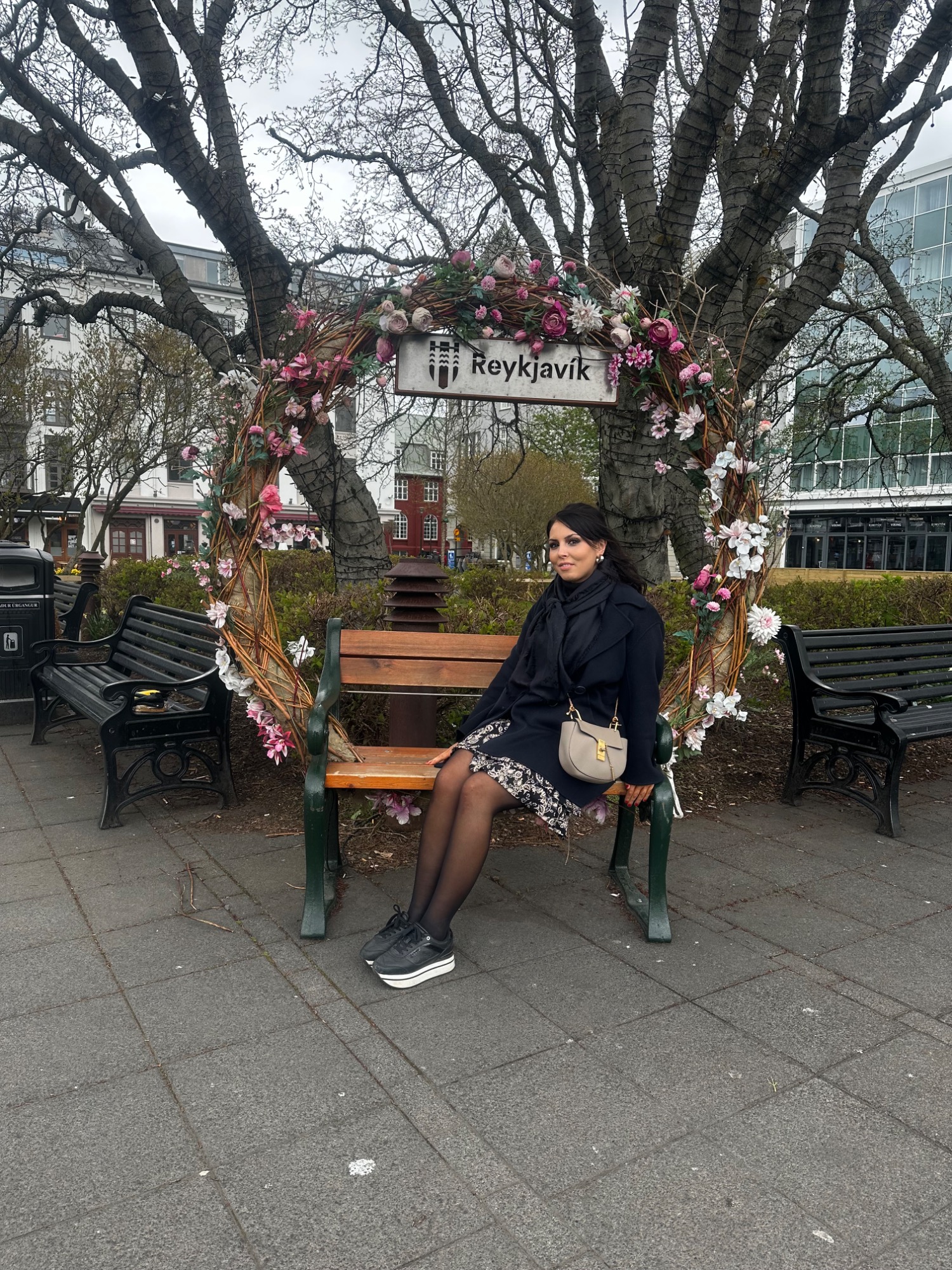
After two exciting days of group tours, I decided to slow things down on my third day in Iceland. I stayed in the capital, Reykjavík, and spent the day exploring the city on foot. It was a perfect balance after the intense nature adventures of the previous days.
Long Walks Through Reykjavík
I started the morning with a long walk through the city. Reykjavík is a small but charming capital, and it’s easy to explore everything on foot. I wandered through colorful streets, passed unique street art, and enjoyed the calm atmosphere.
Visiting Famous Landmarks
During my walk, I visited some of Reykjavík’s most well-known landmarks. One of the highlights was Hallgrímskirkja Church, an iconic building that dominates the city skyline.
Relaxing in a Cozy Café
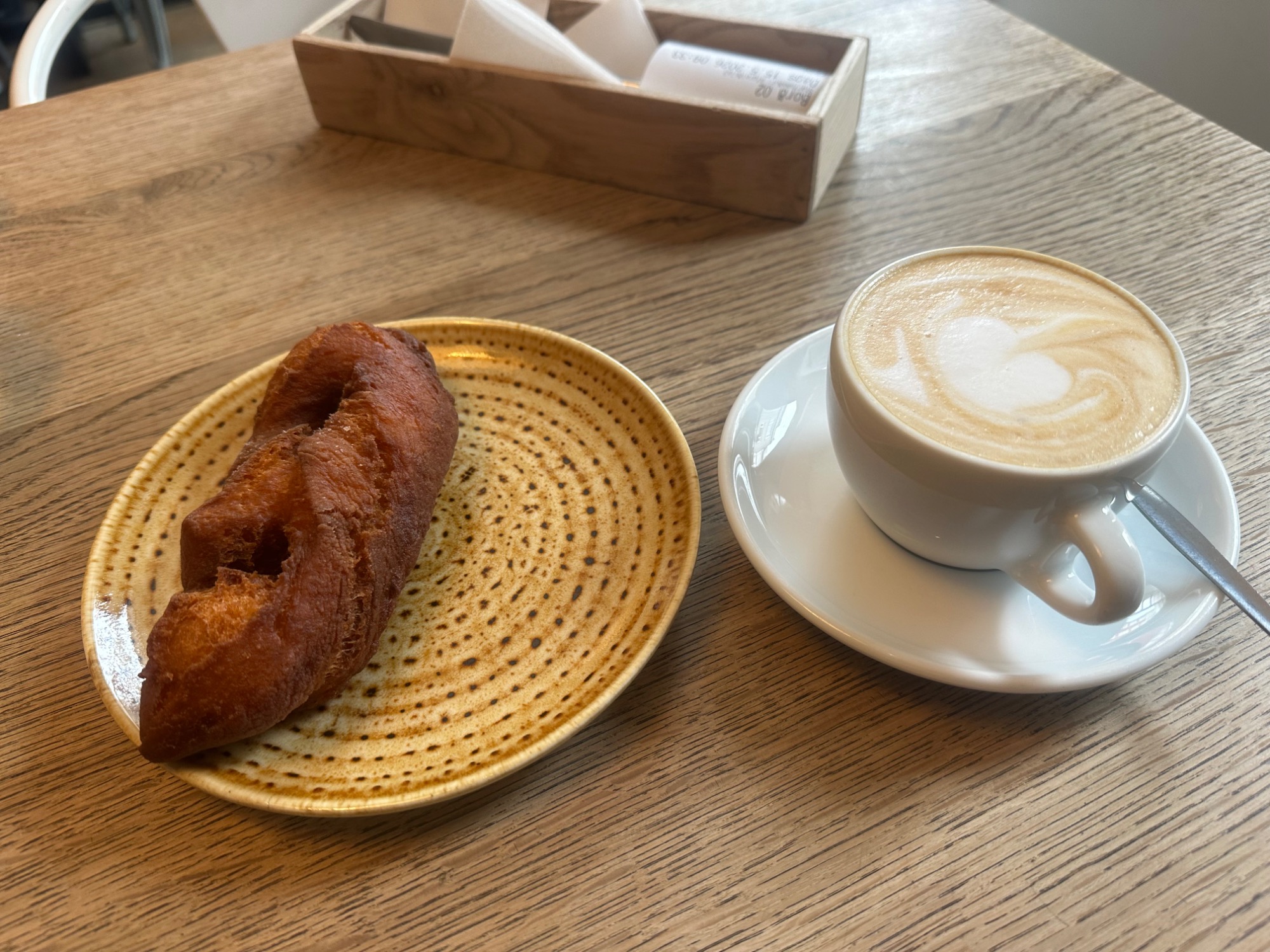
After hours of walking, I decided to take a break in one of Reykjavík’s cozy cafés Sandholt Bakery. The city is full of warm and stylish coffee spots, perfect for relaxing after sightseeing.
I ordered a coffee and spent some time just sitting, watching people, and enjoying the calm atmosphere. It was one of the best moments of the day—simple, quiet, and exactly what I needed.
Discovering the City Life
In the afternoon, I continued exploring more of the city center. I browsed small shops, and discovered how relaxed Reykjavík feels compared to other European capitals.
Even though it is a capital city, it has a small-town feeling where everything is close and easy to reach.
Reflections on Day 3
My third day in Iceland was very different from the previous ones, but just as meaningful. Instead of dramatic waterfalls and landscapes, I experienced the culture, lifestyle, and atmosphere of Reykjavík.
Traveling alone again felt comfortable. I enjoyed having the freedom to move at my own pace, stop whenever I wanted, and truly enjoy the moment.
Reykjavík surprised me with its charm, friendliness, and relaxed vibe. It was the perfect way to slow down and recharge .

Must-Do in Iceland
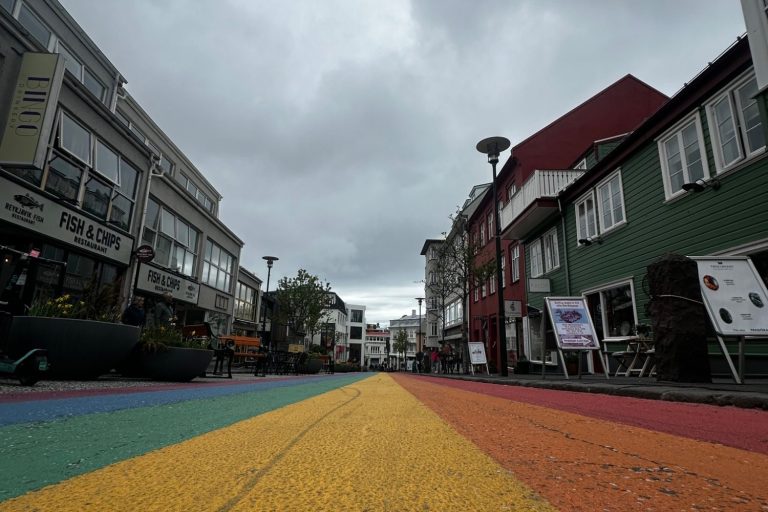
Reykjavík City Exploration
Explore the capital city of Reykjavík, including, the Sun Voyager sculpture, and the charming old harbor area with its cafés and seaside atmosphere.
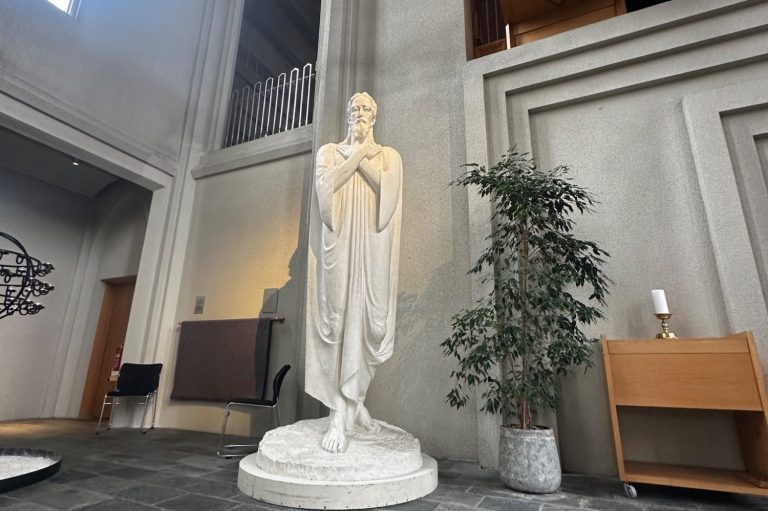
Hallgrímskirkja Church
Hallgrímskirkja Church is one of the tallest structures in Iceland, from the top you get a panoramic view over Reykjavík.
Buy a ticket and go up to see the view — it’s really worth it.
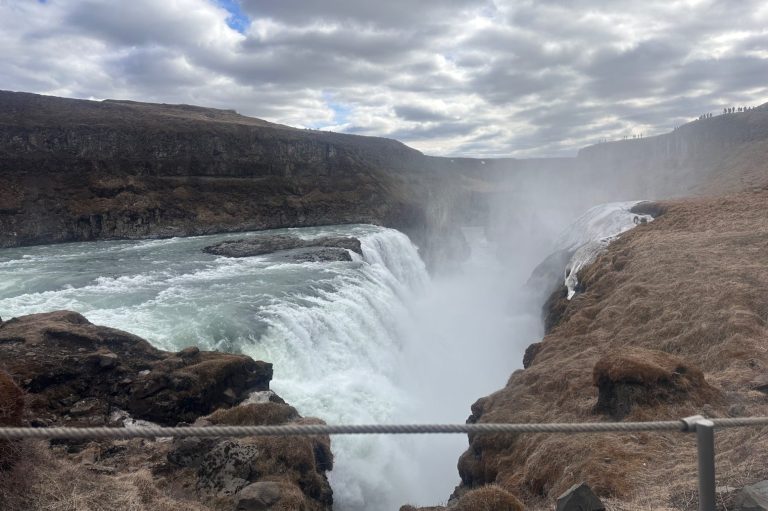
Gullfoss Waterfall
Gullfoss Waterfall is one of Iceland’s most famous and breathtaking natural landmarks.
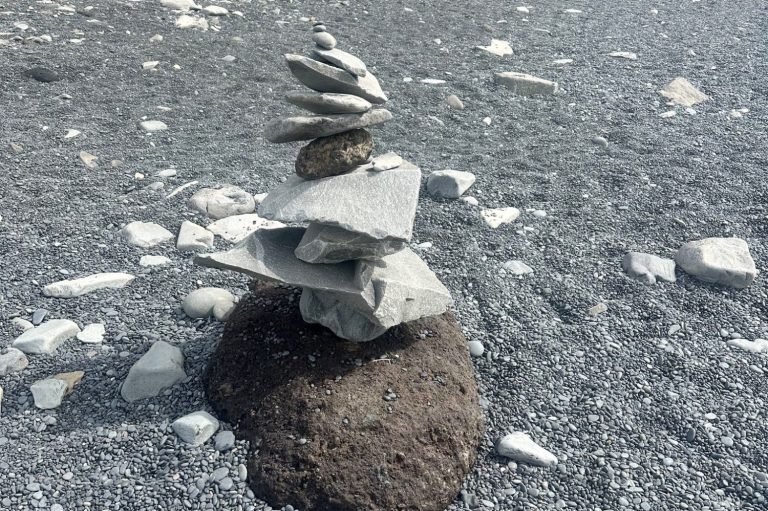
Reynisfjara Black Sand Beach
Reynisfjara is a must-visit stop on Iceland’s South Coast, offering unforgettable scenery and some of the most iconic photo opportunities in the country.
The beach is incredibly beautiful but also dangerous, so visitors are advised to keep a safe distance from the water.
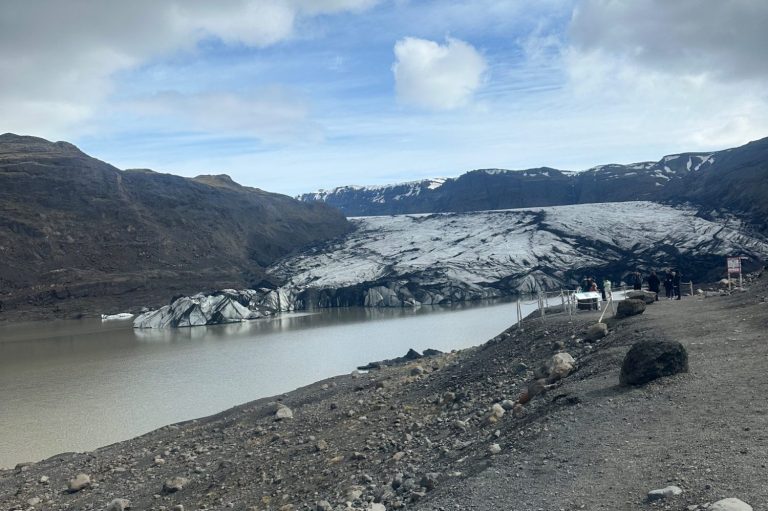
Sólheimajökull Glacier
Sólheimajökull Glacier is one of Iceland’s most accessible and impressive glacier tongues.
Sólheimajökull is a powerful reminder of Iceland’s ever-changing landscape and is a must-visit for anyone seeking an unforgettable adventure in nature.
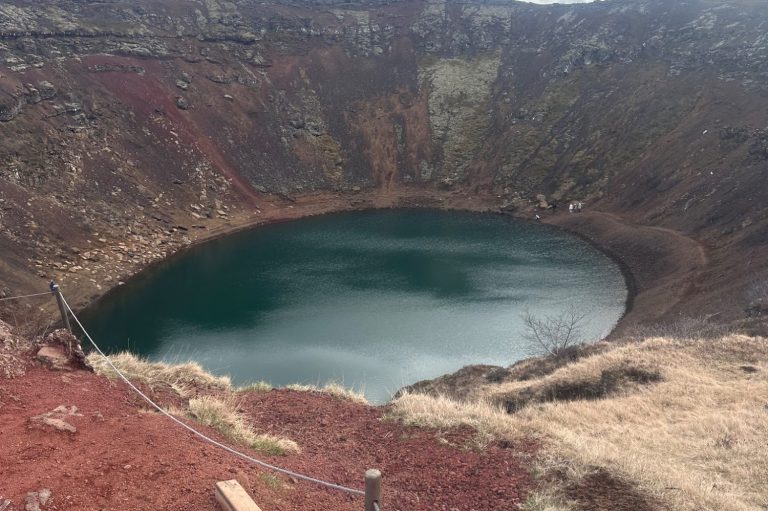
Geysir
Geysir is one of Iceland’s most famous geothermal areas.
The area is part of the Golden Circle and is surrounded by steaming vents, bubbling mud pools, and colorful mineral deposits that highlight Iceland’s powerful geothermal activity.
Geysir is a must-see stop for anyone traveling in Iceland.
My Thoughts on Iceland
When I visited Iceland, I quickly realized that the best thing about the country is not its beautiful nature—although the landscapes are truly breathtaking. What impressed me the most were the people. The Icelandic people are some of the kindest and friendliest people I have ever met.
Iceland feels like a very peaceful and harmonious country. There is a special atmosphere that allows you to relax, recharge your energy, and enjoy life at a slower pace.
However, Iceland is also an extremely expensive country. Almost everything costs a lot of money, which can make traveling there quite costly. In addition, there may not be a huge number of attractions in the capital city compared to larger European cities. Much of what Iceland offers is connected to nature and outdoor experiences.
Another interesting thing about Iceland is its small population. With only around 400,000 people living in the entire country, it can sometimes feel as if everyone knows everyone. This gives Iceland a unique sense of community that is hard to find elsewhere.
Should You Visit Iceland?
Based on my experience, my answer is definitely yes. I believe everyone should visit Iceland at least once in their lifetime. The country offers unique landscapes, stunning scenery, and unforgettable experiences that are difficult to find anywhere else.
I especially recommend Iceland to people who are interested in nature.