Tunisia
The Heart of North Africa
Important Facts About Tunisia for Travelers
Food and Culture
Tunisia is known for couscous, fresh seafood, harissa, dates, colorful markets, and a mix of Arab, Berber, and Mediterranean influences.
Tipping is appreciated. Around 5–10% in restaurants is common, and small tips for services are normal.
Tap Water
Tap water is treated, but many visitors prefer bottled water for drinking.
Electricity
Tunisia uses Type C and E plugs with 230V, so travelers from outside Europe may need an adapter.
Public Etiquette
Respect for local customs and modest dress is appreciated, especially in traditional areas and religious sites.
Country & Location
Tunisia is a North African country on the Mediterranean coast, known for beaches, desert landscapes, and ancient history. The capital is Tunis.

Weather
Tunisia has a Mediterranean climate on the coast with hot summers and mild winters, while the south has a desert climate.
Language
The official language is Arabic, and French is widely spoken. English is common in tourist areas.
Currency
The local currency is the Tunisian Dinar (TND). Cash is useful, especially in markets and smaller shops.
Safety
Tunisia is generally welcoming for tourists, but it is wise to stay updated on travel advice and be cautious in crowded areas.
Transportation
Tunisia has buses, trains, taxis, and shared transport. In major cities, taxis are common and affordable.
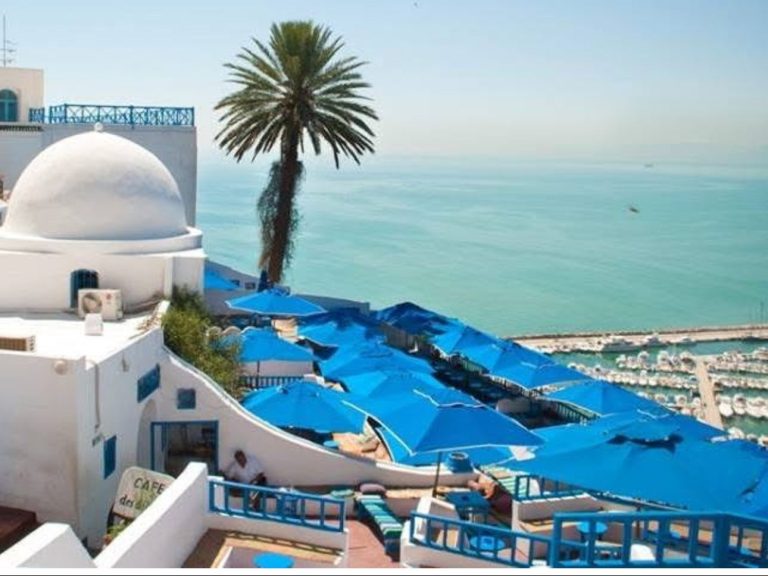
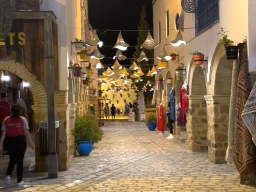
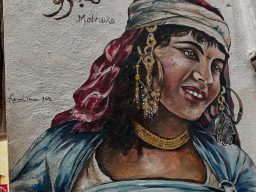
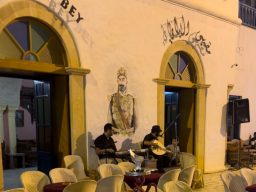
Tunisia
My Favorite Places in Tunisia
Two of my favorite places in Tunisia are Sidi Bou Said and Djerba. Sidi Bou Said is a picturesque town with charming blue and white streets, perfect for strolling and enjoying the Mediterranean views. Djerba, an island paradise, offers beautiful beaches, warm sunshine, and a peaceful atmosphere. Both places capture the beauty and diversity of Tunisia, making them unforgettable destinations..
My Thoughts on Tunisia
Tunisia is a fascinating destination where history, culture, and stunning landscapes come together. Located on the southern coast of the Mediterranean Sea, the country offers everything from golden beaches and vibrant markets to remarkable historical sites.
The country is also famous for its charming medinas—traditional old towns filled with narrow streets, colorful shops, and the aroma of local spices.
Nature lovers will find plenty to admire in Tunisia. The landscape ranges from beautiful Mediterranean coastlines to the vast Sahara Desert in the south. Whether you prefer relaxing by the sea or embarking on a desert adventure, Tunisia offers unforgettable experiences. A camel ride through the dunes or a night under the desert stars are highlights for many travelers.
Tunisia is a destination that combines history, culture, natural beauty, and warm hospitality. Whether you are looking for a relaxing beach holiday, cultural exploration, or an adventure in the desert, Tunisia has something for everyone.
Should You Visit Tunisia?
Yes, you should travel to Tunisia because it offers sunshine, beautiful beaches, rich history, and an exciting culture—all in one destination.